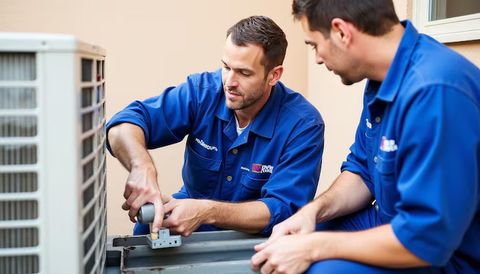
Heat pumps are becoming an increasingly popular choice for efficient heating and cooling in residential and commercial buildings. Unlike conventional heating systems, heat pumps transfer heat rather than generating it, making them energy-efficient and environmentally friendly. They work by extracting heat from the air, ground, or water to provide warmth in winter and cooling in summer.
With advancements in technology, smart controls, and eco-friendly refrigerants, heat pumps are now more effective and accessible than ever. This article explores the benefits, limitations, modern trends, key features, top brands, selection tips, and maintenance best practices to help you make an informed decision.
Benefits of Heat Pumps
1. Energy Efficiency & Cost Savings
Heat pumps use electricity to move heat rather than burn fuel, making them highly efficient. They can provide 3-5 times more energy than they consume, significantly reducing electricity bills compared to conventional furnaces and air conditioners.
2. Year-Round Comfort (Heating & Cooling)
Unlike traditional heating systems, heat pumps work both ways—providing warmth in winter and cooling in summer. This dual functionality eliminates the need for separate systems, saving space and money.
3. Environmentally Friendly
Heat pumps lower carbon emissions by reducing dependence on fossil fuels. Many modern models use eco-friendly refrigerants, making them a greener choice for homeowners and businesses.
4. Consistent & Comfortable Temperature
Heat pumps deliver steady and even heating/cooling without the sudden fluctuations experienced with furnaces or air conditioners. They also maintain better humidity control, improving indoor air quality.
5. Government Incentives & Rebates
Many governments offer tax credits, rebates, or subsidies for installing energy-efficient heat pumps, making them an attractive financial investment.
Limitations of Heat Pumps
1. High Upfront Cost
The initial investment in a heat pump system is higher than traditional HVAC systems. However, the long-term energy savings often offset the upfront cost.
2. Reduced Efficiency in Extreme Cold
In very low temperatures (below -10°C or 14°F), air-source heat pumps may become less effective, requiring backup heating sources like electric resistance heaters or hybrid systems.
3. Installation Complexity
Proper installation requires expert knowledge of heat loss calculations, refrigerant handling, and optimal placement. A poorly installed system may reduce efficiency and lifespan.
4. Regular Maintenance Required
Like any HVAC system, heat pumps require routine maintenance, including filter cleaning, refrigerant checks, and coil inspections, to ensure optimal performance.
5. Space Requirement for Ground-Source Heat Pumps
Geothermal heat pumps need substantial land area for underground loops, making them unsuitable for small properties.
Modern Trends in Heat Pump Technology
1. Smart Heat Pumps & AI-Driven Efficiency
Modern heat pumps integrate with smart home systems, allowing users to control them remotely via mobile apps. AI-based models optimize energy use by learning household heating patterns.
2. Cold Climate Heat Pumps
Newer models are designed with advanced compressors and refrigerants to operate efficiently in extreme cold conditions, making them viable for colder regions.
3. Hybrid Heat Pump Systems
Hybrid heat pumps combine gas or electric backup heating with standard heat pump technology, offering better efficiency in harsh winters.
4. CO₂ Refrigerants & Eco-Friendly Coolants
The use of natural refrigerants like CO₂ (R744) instead of harmful HFCs (hydrofluorocarbons) is gaining popularity due to lower environmental impact.
5. Heat Pump Water Heaters
Heat pumps are now being used to heat water, offering up to 300% efficiency compared to electric water heaters, reducing household energy consumption.
Key Features to Look for in a Heat Pump
1. Type of Heat Pump
- Air-Source Heat Pumps (ASHPs): Extract heat from the air; best for moderate climates.
- Ground-Source (Geothermal) Heat Pumps: Extract heat from the ground; highly efficient but costly.
- Water-Source Heat Pumps: Use a water body as a heat exchange medium.
- Hybrid Heat Pumps: Combine multiple energy sources for greater efficiency.
2. Seasonal Energy Efficiency Ratio (SEER) & Heating Seasonal Performance Factor (HSPF)
Higher SEER (cooling efficiency) and HSPF (heating efficiency) ratings mean better energy savings.
3. Variable-Speed Compressors
Inverter-driven compressors adjust heating and cooling output based on real-time demand, improving comfort and reducing energy consumption.
4. Smart Thermostat Compatibility
Ensure the system integrates with Google Nest, Ecobee, or Honeywell smart thermostats for remote control and automation.
5. Noise Levels
Choose heat pumps with low decibel ratings (<50 dB) to ensure quiet operation.
Top Heat Pump Brands
1. Mitsubishi Electric
Renowned for highly efficient and ultra-quiet air-source heat pumps.
2. Daikin
Offers advanced inverter technology and great performance in cold climates.
3. Trane
Known for durability, reliability, and energy efficiency.
4. Carrier
Provides smart heat pumps with Wi-Fi connectivity and high SEER ratings.
5. Bosch
Popular for geothermal heat pumps with exceptional energy savings.
6. Rheem
Offers affordable, high-efficiency heat pumps with hybrid technology.
How to Choose the Right Heat Pump Service
1. Evaluate Your Climate & Home Needs
Consider local temperatures and home insulation quality to choose the best heat pump type.
2. Look for Certified Installers
Ensure the provider has NATE-certified technicians experienced in heat pump installation.
3. Compare Warranties & After-Sales Support
A 10+ year warranty on compressors and parts indicates a reliable system.
4. Read Customer Reviews & Get Multiple Quotes
Compare reviews, ask for references, and obtain multiple estimates before choosing an installer.
Tips for Heat Pump Maintenance & Efficiency
1. Clean or Replace Filters Regularly
Dirty filters reduce airflow and efficiency; clean or replace them every 1-3 months.
2. Keep Outdoor Units Free from Debris
Leaves, dirt, and snow can block airflow; ensure the outdoor unit stays clear and unobstructed.
3. Schedule Annual Professional Servicing
A technician should inspect refrigerant levels, coils, and electrical components annually.
4. Use Smart Thermostat Settings
Set your thermostat to energy-saving modes for optimal performance.
5. Avoid Frequent Temperature Adjustments
Consistently changing the settings reduces efficiency—use a programmed schedule instead.
Conclusion
Heat pumps are an energy-efficient, eco-friendly, and cost-effective solution for heating and cooling. With advancements in AI, smart controls, and cold-climate technology, they are becoming a preferred choice for many homeowners and businesses.
By considering efficiency ratings, key features, top brands, and professional installation, you can maximize comfort, savings, and sustainability. Regular maintenance and smart operation ensure long-term performance and reliability.