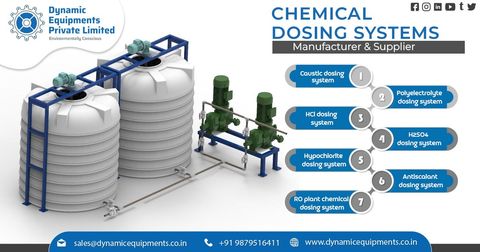
What is Industrial Tank Storage?
Industrial tank storage refers to large containers or vessels designed to hold liquids, gases, or bulk materials, typically under controlled conditions. These tanks are essential for storing raw materials, intermediates, and finished products safely and efficiently.
Types of Industrial Storage Tanks
-
Above-Ground Storage Tanks (ASTs):
These are installed on the surface and are easier to maintain and inspect. Commonly used for petroleum, chemicals, and water. -
Underground Storage Tanks (USTs):
Installed below ground level, they save space but require rigorous leak detection systems and environmental safeguards. -
Vertical Tanks:
Suitable for smaller footprints, often used for bulk liquids in food, chemicals, and agriculture. -
Horizontal Tanks:
Ideal for high-volume storage and easier transportation, especially in mobile applications. -
Pressure Tanks:
Designed for holding gases or liquids at specific pressure levels. Common in chemical and energy sectors. -
Cryogenic Tanks:
Used to store substances at very low temperatures, like liquid nitrogen or LNG. -
Double-Walled Tanks:
Feature an inner and outer layer for added protection and leak prevention, particularly in hazardous material storage.
Benefits of Industrial Tank Storage
-
Efficient Space Utilization: Vertical and underground tanks optimize space for high-volume storage.
-
Material Compatibility: Tanks are customized based on the chemical or substance stored.
-
Cost-Effectiveness: Reduces waste, spillage, and storage cost over time.
-
Regulatory Compliance: Enables companies to meet environmental and safety regulations.
-
Operational Safety: Prevents contamination, leaks, and accidents through design and materials.
-
Scalability: Modular tanks support easy expansion and relocation.
Limitations of Industrial Tank Storage
-
High Initial Investment: The cost of materials, installation, and permits can be substantial.
-
Corrosion and Leakage Risks: Especially for metal tanks storing corrosive substances.
-
Maintenance Requirements: Regular inspections, cleaning, and repairs are necessary to ensure safety.
-
Regulatory Challenges: Adherence to regional and international standards can be complex.
-
Space Constraints for ASTs: Above-ground installations require significant space and security.
Modern Trends in Industrial Tank Storage
-
Smart Tank Monitoring:
Use of IoT sensors for real-time data on temperature, pressure, and volume levels. -
Automation and Remote Control:
SCADA systems allow centralized monitoring and remote tank management. -
Use of Sustainable Materials:
Fiberglass and polyethylene tanks are becoming popular for their longevity and recyclability. -
Modular Tank Systems:
Scalable tank farms with modular setups reduce installation time and cost. -
AI and Predictive Maintenance:
Artificial intelligence tools analyze usage patterns to predict wear and potential failures. -
Regenerative Coatings:
New coating technologies prevent rust, corrosion, and chemical degradation. -
Energy-Efficient Designs:
Enhanced insulation and integration with renewable energy sources reduce operational costs.
Key Features to Consider
-
Tank Material: Stainless steel, fiberglass, carbon steel, or HDPE based on application.
-
Capacity: Varies from 1,000 liters to over 100,000 liters depending on usage.
-
Insulation and Temperature Control: Critical for food, pharma, and cryogenic applications.
-
Ventilation Systems: Prevents vapor build-up and controls emissions.
-
Leak Detection: Sensors and double-wall designs for hazardous materials.
-
Ease of Maintenance: Access ports, coating types, and self-cleaning designs.
-
Certifications: Ensure compliance with ISO, API, ASME, and regional standards.
Top Companies and Price Estimates (2025)
-
CST Industries (USA):
Specializes in bolted and welded tanks. Prices range from $50,000 to $500,000. -
ZCL Xerxes (Canada):
Known for fiberglass underground tanks. Pricing starts around $20,000. -
Permastore (UK):
Offers modular glass-fused-to-steel tanks. Average cost: $30,000–$250,000. -
Tuffa Tanks (UK):
Offers oil and water storage solutions. Prices: $5,000–$100,000 depending on size. -
Tank Connection (USA):
Premium steel tanks for industrial use. Price range: $60,000–$400,000. -
Sintex (India):
Polyethylene-based tanks used in agriculture and water. Prices range from $1,000 to $50,000. -
Highland Tank (USA):
Specializes in custom underground steel tanks. Prices begin at $25,000.
Note: Prices vary based on capacity, materials, coatings, and delivery logistics.
How to Choose the Right Industrial Tank Storage Service
-
Define Your Requirements:
Consider the type of material stored, volume, location, and industry standards. -
Evaluate Tank Material:
Match tank material with the chemical compatibility of stored content. -
Check Manufacturer Credentials:
Look for ISO-certified companies with proven industry experience. -
Compare Warranty and Support:
Ensure post-installation services and warranties cover corrosion, leaks, and defects. -
Customization Options:
Choose vendors offering tailored solutions in terms of size, automation, and add-ons. -
Review Safety and Compliance Standards:
Tanks should meet local safety codes and international guidelines. -
Ask for References:
Seek case studies or references from similar industries.
Tips to Maintain Industrial Storage Tanks
-
Schedule Regular Inspections:
Check for cracks, leaks, corrosion, and coating wear every 6–12 months. -
Clean Internally and Externally:
Follow industry-approved cleaning methods, especially in food and pharma sectors. -
Monitor Tank Sensors:
Ensure IoT devices or level indicators are calibrated and functioning. -
Inspect Vents and Valves:
Blockages in air release valves can cause pressure build-up. -
Apply Protective Coatings:
Re-coat as necessary to prevent corrosion or contamination. -
Record Maintenance Activities:
Maintain logs for compliance and future analysis. -
Train Your Team:
Staff should be trained in emergency response and tank operation protocols.
Future Outlook
As industries demand more agile, compliant, and sustainable storage systems, the future of industrial tank storage will likely involve:
-
Greater Use of Digital Twin Technology:
Simulates the tank’s performance for predictive analysis. -
Integration with Green Technologies:
Tanks paired with solar, biogas, or hydrogen storage for net-zero operations. -
Advanced Robotics:
Drones and bots for internal inspection and maintenance without downtime. -
Global Standardization:
A shift toward harmonizing international tank design and safety standards.
Conclusion
Industrial tank storage is undergoing a significant transformation driven by digitalization, environmental responsibility, and cost-efficiency. Whether you’re a chemical processor, water treatment operator, or logistics provider, choosing the right tank solution can impact safety, productivity, and bottom line. By understanding the types, features, key trends, and best practices outlined in this guide, businesses can make informed decisions and prepare for a future-ready storage infrastructure.